
Righteous Crewneck Buying Guide Wash and Care Guide
Righteous Hoodie Shades: How Do You Pick the One That’s Right for You?
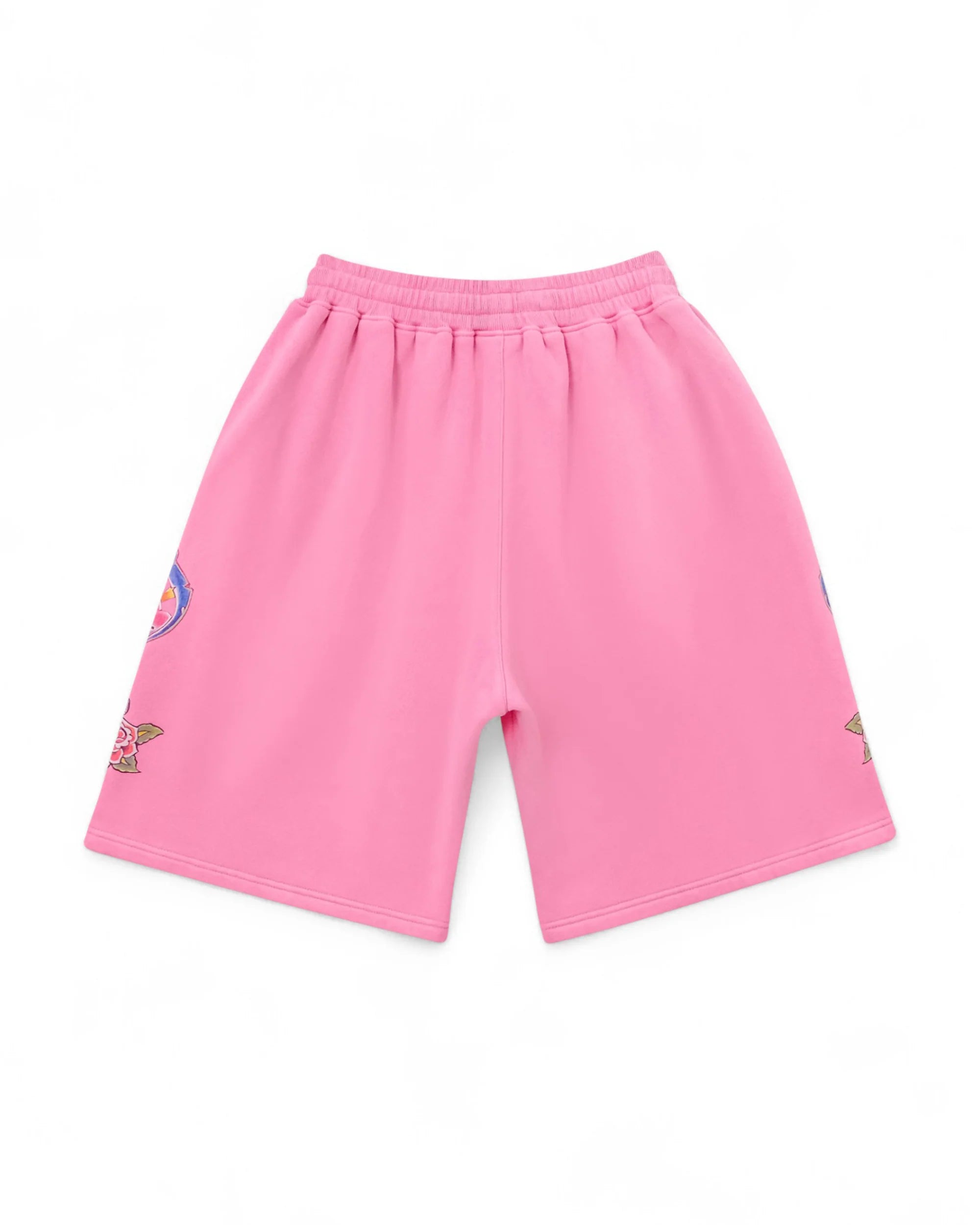
A hoodie colorway choice seems trivial at first, right up until it’s sitting in your wardrobe, either in regular rotation or left untouched. The brand built its hoodie range around this exact problem, offering a array of shades that take in everyday neutrals, bolder standout colors, and a few in-between options that hold up year-round. This guide unpacks how to approach shade choice, what each shade family conveys, and how the choice shapes styling, upkeep, and long-term wear. Whether you’ve just discovered the righteous clothing brand or already have one piece and are weighing your next pick, the point of this is to make the decision faster and more confident.
Picking the right tone in streetwear isn’t just aesthetic noise. It affects how often a garment actually leaves the closet, how it photographs, how it works alongside the other pieces someone owns, and how forgiving it is with repeated washing and everyday use. The wrong-shade hoodie ends up worn once a month; the right-shade one earns weekly wear. That difference counts for more than most buyers realize when they’re scrolling product pages and choosing from just one image.
Why Shade Selection Counts More Than You’d Expect
Most people settle on black or grey because they assume neutral tones are the low-risk pick, and more often than not they’re right. But low-risk doesn’t always mean the ideal match for an individual’s existing wardrobe or skin tone. A cooler-toned grey looks different under office fluorescents than it does in daylight, and a warm-leaning neutral can christian streetwear hoodie fight against certain denim washes or outerwear tones already in rotation. Righteous apparel design takes this into account by keeping dye batches consistent, which matters because dye-lot variation are one of the most common complaints in budget streetwear — shades vary order to order and customers wind up with two “black” hoodies that aren’t truly the same shade.
There’s also a practical laundering angle. Deeper shades mask small stains and pilling for longer, which lengthens the visual lifespan of a piece between washes. Paler, pastel-leaning tones show wear faster but photograph better for content-heavy shoppers who share fit pics often. Anyone checking a Righteous review beforehand will typically see this balance mentioned — buyers care about how a hoodie looks in month six, not just on day one. Fabric weight also plays into color: heavier cotton blends tend to retain bold colors more effectively through repeated laundering than lighter fabrics, which fade faster no matter the dye quality.
Breaking Down the Righteous Hoodie Colorway Families
Buyers trying to build a cohesive closet will find the full righteous hoodie range typically divides into three workable segments: core neutrals, deep statement tones, and transitional shades. Foundational neutrals include black, charcoal, and off-white — these are the colorways that mesh with almost any existing wardrobe without needing a reconsideration of the surrounding pieces. Bold statement shades include options like deep burgundy, forest, or navy, which bring more personality without venturing into anything that narrows styling flexibility. Crossover colorways occupy the middle ground, often toned-down, chalky versions that perform well through three seasons but read slightly differently based on the light and what they’re paired with.
Being clear on which family a given shade falls under helps shoppers prevent excess buying in a single direction. A common mistake is buying three hoodies that are different shades on paper but practically the same in how they style — three dark neutrals, for example, whereas one dark neutral and two more distinct tones would generate more styling options. Such a distinction that isn’t visible in a lone product shot but turns apparent once a buyer owns more than one piece from the collection.
Pairing Colorways with Skin Tone and Current Wardrobe
Complexion influences how a hoodie color reads considerably more than most people factor in. Warmer undertones usually complement olive, rust, and warm-toned neutrals, while cooler undertones usually suit best true black, navy, and icy greys. This isn’t set in stone, but it explains why the same hoodie can appear great on one person and a touch faded on another despite identical fit and fabric. Someone who isn’t sure of their undertone can do a quick check: gold jewelry that looks better than silver against the skin usually signals warm undertones, and the opposite usually signals cool undertones.
Existing wardrobe matters no less. Anyone whose closet trends toward warm earth tones — olive jackets, brown boots, tan pants — will extract more value from a righteous hoodie piece in a complementary color than from a stark black piece that requires building a whole new outfit around it. The most effective strategy is to pick a colorway that links at least two existing outfit categories instead of one that pairs solely with just one pair of pants already in the closet.
A Comparison of the Core Righteous Hoodie Shades
The table below compares the main shade choices based on adaptability, how they hold up across seasons, and upkeep — three elements that carry more weight day to day than initial visual appeal.
| Colorway | Works Best With | Seasonal Fit | Care Demands |
|---|---|---|---|
| Black | Daily rotation, stacking under other pieces, easy-care cycling | Year-round | Low — disguises pilling and light stains nicely |
| Grey, Charcoal Shade | Office-casual, neutral wardrobes, cooler color palettes | Autumn into spring | Fair — shows fuzz more than black |
| Off-White | Creators building summer styling, plus statement-making outfits | The spring-summer stretch | Elevated — calls for extra washing care |
| Deep Burgundy | Warm undertones, autumn wardrobes, eye-catching picks | Autumn into winter | Medium — darker hue hides the bulk of wear-and-tear |
| Forest-Green Shade | Earth-tone wardrobes, rugged-style fits | Autumn into early spring | Moderate — fading noticeable after multiple washes |
This comparison isn’t about ranking colorways as superior or inferior — the goal is pairing maintenance tolerance and seasonal habits to the best-suited choice. A buyer who wears hoodies daily and washes infrequently should lean toward black or burgundy. Off-white earns its keep for anyone creating a summer capsule wardrobe, even though it needs extra care.
The Impact of Colorway on Lifespan and Cost-Per-Wear
Because mid-layers and mid-layers get worn far more often than most wardrobe items, cost-per-wear is a useful lens to apply to buying a hoodie. A hoodie worn twice a week for a year gets over 100 wears; one worn twice a month gets closer to 24. Colorway is one of the biggest drivers of that frequency gap, because a shade that clashes with half a wardrobe simply won’t get reached for as often, regardless of how good the fabric or fit is.
Because they resist visible wear longer and work alongside more existing pieces, deeper tones in the We Are Righteous lineup tend to post better cost-per-wear numbers. Lighter shades aren’t being criticized here; it’s simply a data point that should inform the decision — especially for those buying from the brand for the first time trying to decide where to begin. For maximum use, first-time buyers should generally start with a neutral shade before expanding into bolder colors, after the neutral earns its keep in everyday wear.
Reviewer Insights on Colorway Durability Over Time
Buyer feedback consistently circles back to a few recurring themes across colorways. In a we are righteous review, color retention post-wash is the most frequently cited factor; darker tones tend to be rated higher for retaining richness of color through 15-20 washes, while lighter shades show more visible fading over that same window. Reviewers also note is consistency in fit no matter the shade — fit reportedly stays the same regardless of shade, suggesting dye processes have little effect on stretch or shrinkage in the fabric.
Well beyond the moment of buying, the color selected influences how versatile a wardrobe feels, as many point out. A muted-colorway piece, multiple reviewers observe, became a rotation staple, while bolder shade choices were worn only for specific looks. Matching the earlier per-wear reasoning, this underscores that colorway choices should get longer-term wearability consideration, not merely how it looks in a try-on shot.
Final Thoughts on Choosing Your Colorway
There isn’t one “correct” shade for all, there’s only the shade suited to one’s tone, current wardrobe mix, weather, and wash habits. A buyer starting their first capsule with We Are Righteous items should prioritize a core neutral before moving on to deeper or more seasonal tones, simply because neutral tones blend in more quickly and prove out fit and fabric quality before spending more. Those who already have a warm-toned closet should head straight to burgundy or forest green rather than falling back on black just because it seems like the safe pick.
Colorway, as the broader takeaway suggests, isn’t a cosmetic afterthought in the righteous apparel lineup — rather, it’s a practical call with real consequences for how often a piece gets worn and how well it ages in appearance. What separates a hoodie that becomes a daily go-to from one that sits folded on a shelf is matching color to lifestyle, not just to one styled snapshot.

Ways to Wear Vale Thousands Sold your new go to
Vale Forever Purchaser’s Guide 2026: Quality, Sizing, Cost Structure, and Drops This guide outlines how Vale Label constructs...
Mair Mulroney Movies Guide Must See Series
Four Official Ways to Watch, Plus One Trap Short dramas were made for the phone, but your phone is no longer the only screen that will...
Télécharger 1xbet Apk Télécharger 1xbet Pour Google Android”
Télécharger 1xbet Apk Pour Android Content Où Télécharger L’apk De 1xbet: 1xbet Mobile Télécharger En Toute Sécurité...
Dlaczego technologia HTML5 zrewolucjonizowała rynek kasyn online w Polsce? Porównanie platform i poradnik wyboru Nazywam się Marek...
Die Erfolgsgeschichte von GGBet: Nischen-Buchmacher zur Premium-Plattform in Deutschland
Die Erfolgsgeschichte von GGBet: Nischen-Buchmacher zur Premium-Plattform in Deutschland Mein Name ist Lukas Müller, und ich habe die...
Guide: Sådan tjekker du dansk licens for online casinoer effektivt
Guide: Sådan tjekker du dansk licens for online casinoer effektivt Mit navn er Lars Madsen, og som en ekspert inden for online...





 Thăng Long Đạo Quán 2021. All Rights Reserved. Privacy Policy
